

Staff shortages undermining Nigeria’s primary healthcare
By Prosper Okoye
Nigeria’s primary healthcare centres are struggling to provide adequate services due to severe staff shortages, civil society leaders have warned.
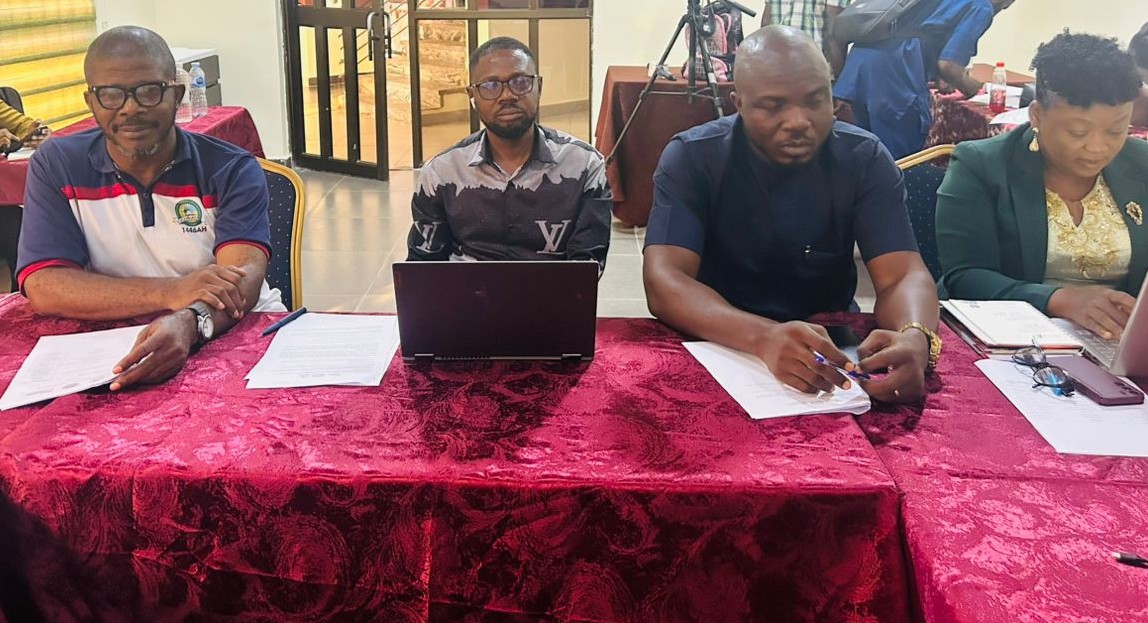
Dr Ismaeel Danesi, Programme Manager of the Network of People Living with HIV/AIDS in Nigeria (NEPWHAN), said many centres operate with just one to three staff despite serving large patient populations. “Long queues discourage patients, affecting health outcomes,” he said in an interview following a media roundtable in Abuja on Wednesday.
The roundtable highlighted a growing consensus that while community advocacy has transformed Nigeria’s primary healthcare infrastructure, severe staffing shortages pose a critical threat to service delivery and patient health across the country.
The event, organised by the AIDS, Tuberculosis and Malaria (ATM) civil society networks—including the TB Network, NEPWHAN, and the Civil Society in Malaria Control, Immunisation and Nutrition (ACOMIN)—briefed journalists on the successes and challenges of community-led healthcare initiatives.
Dr Danesi explained that patients often wait for hours because of insufficient health workers, leading some to abandon care entirely. “This reduces health-seeking behaviour and diminishes the quality of care for those who remain,” he said, urging national and state governments to recruit more staff and address gaps in facilities.
He also noted that the COVID-19 Response Monitoring/Results Support for Strengthening Health Systems (C19RM/RSSH) grant, which supported community mobilisation, equipment provision, facility renovations, and essential supplies, will end in December.
“Nigeria’s healthcare system will not collapse, but sustained progress depends on the country’s commitment to scaling and maintaining recent improvements,” stressing the need for domestic resource mobilisation.
The civil society leaders highlighted the crucial role of community advocacy in supporting primary healthcare but warned that without urgent government action on staffing, many facilities will continue to struggle.
Lovelyn Agbo Gabriel, Monitoring and Evaluation Manager at ACOMIN, said the project demonstrated how community-led monitoring can strengthen health systems. Communities now track service delivery, identify gaps, and accompany monitoring teams on advocacy visits, ensuring resources reach their intended facilities.
Gabriel cited a primary healthcare centre in Dutse, Jigawa State, which was small, dilapidated, and lacked electricity. Advocacy efforts led to its inclusion in the state’s upgrade plan. The renovated facility now features multiple wards, a solar system, running water, and improved infrastructure, significantly enhancing service delivery and health outcomes.
Teresa Laraba Jatau, Programme Manager at TB Network, said the project reached about 270 facilities across 21 states. Community-Led Monitoring Teams (CLMTs) identified needs, mobilised local philanthropists, and advocated for support, resulting in rebuilt clinics, new electricity and water supply, and improved staffing in some states.
However, Jatau cautioned that challenges remain. Some philanthropists refused to support facilities outside their communities, and patients in some states were still charged for medicines intended to be free. “The beauty of the community-led model is ownership — because it is owned by the community, it sustains itself. But without government action to recruit personnel and ensure medicine availability, progress can easily be lost,” she said.