

China imposes tax on condoms, contraceptive pills over declining birth rate
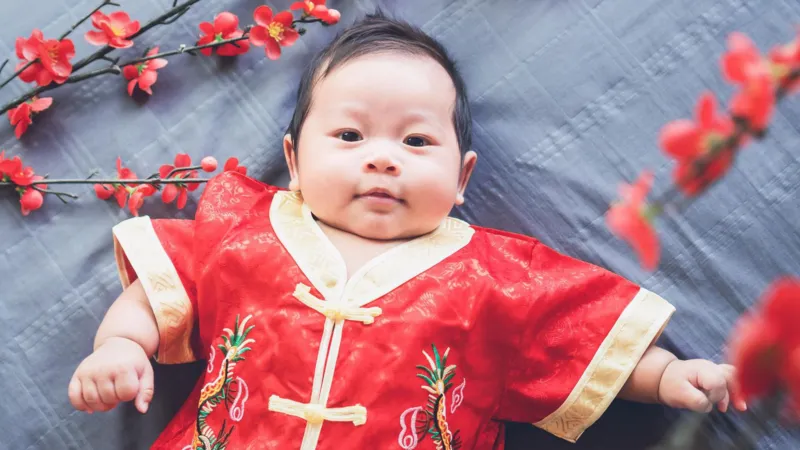
China has introduced a new 13 per cent tax on contraceptive drugs and devices, including condoms and birth-control pills, as a move to reverse its falling birth rate.
Childcare, marriage introduction services and elderly care have been exempted from tax, while childcare subsidies were also excluded from personal income tax.
According to Reuters, the policy took effect on January 1 and ended a tax exemption that had been in place for nearly 30 years. The exemption, introduced in 1994, was designed to support China’s strict population control policies at the time.
With its removal, contraceptives are now subject to the standard value-added tax (VAT) applied to most consumer goods.
The shift reflects growing concern over China’s demographic decline. Official data from the National Bureau of Statistics show that only 9.5 million babies were born in 2024, a sharp drop from 14.7 million births in 2019.
While contraceptives are now taxed, Beijing has moved to ease the burden on services aligned with its population goals.
In 2024, the government introduced an annual childcare subsidy and rolled out other “fertility-friendly” measures, including encouraging universities to promote positive attitudes toward marriage, family and childbearing.
China’s declining birth rate is widely linked to the long-term impact of the one-child policy enforced between 1980 and 2015, as well as rapid urbanisation.
The birth limit was raised to two children in 2015 and further expanded to three in 2021 as the population began to shrink.
However, analysts say policy changes alone may not be enough. High childcare and education costs, job insecurity and a slowing economy continue to discourage many young Chinese from getting married and starting families, even as the government ramps up efforts to reverse the trend.