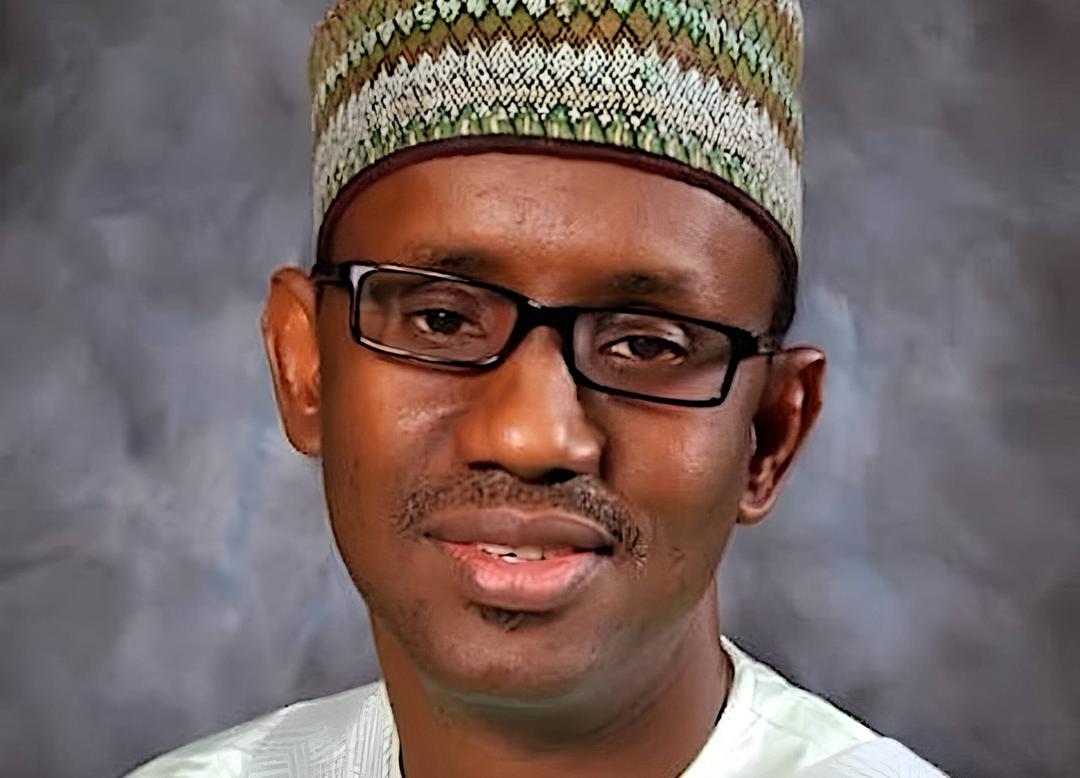

El-Rufai is a religious bigot, promoting divisive narratives – Kaduna CAN
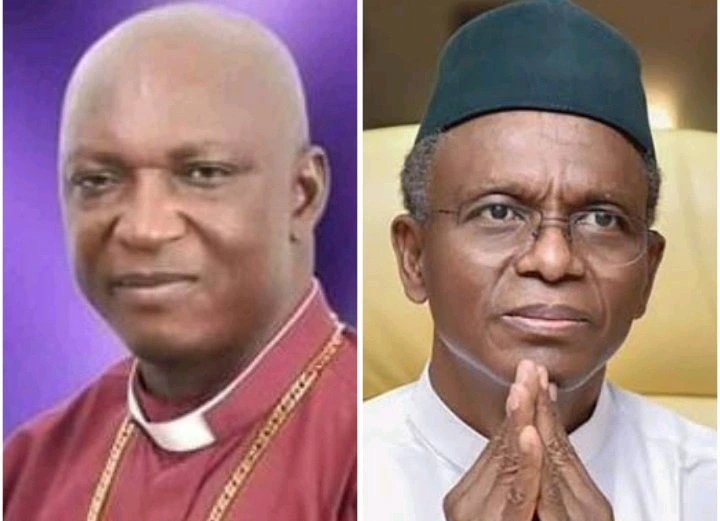
Chairman of the Christian Association of Nigeria (CAN) in Kaduna State, Reverend John Hayab, has launched a strong rebuke against former Kaduna State Governor, Mallam Nasir El-Rufai, accusing him of deliberately twisting facts and promoting divisive narratives to suit his political agenda.
Speaking during an interview with TVC News Nigeria, Hayab dismissed as false El-Rufai’s claim that Southern Kaduna makes up only 25 percent of the state’s population.
He insisted that the figures being quoted were fabricated and aimed at undermining the political relevance of Christians in Kaduna.
According to Hayab, El-Rufai’s assertions were part of a broader attempt to rationalise his controversial adoption of a Muslim-Muslim ticket while serving as governor.
He explained that El-Rufai had gone as far as drawing comparisons with Plateau State to justify his position.
“El-Rufai came up with this divisive idea by equating the population of Southern Kaduna with the Muslims in Plateau because that was the language he used in 2016,” Hayab stated.
“He said the Muslims in Plateau State are 30%, just like the Christians in Kaduna are 30%. So if the Muslims in Plateau State are not given deputy governor, the Christians shouldn’t be given deputy governor.
“He deliberately brought up that conversation to use it to justify his agenda.”
Hayab described El-Rufai’s comments as reckless and untrue, stressing that such claims only serve to deepen divisions along religious and ethnic lines in Kaduna and the wider northern region.
He maintained that Southern Kaduna, which is predominantly Christian, represents a significant portion of the state’s population and should never be marginalized in matters of governance.
The CAN chairman also criticized El-Rufai for what he described as a pattern of controversial remarks throughout his political career.
According to him, El-Rufai’s statements on demographics and political representation often lack credible data and are aimed at consolidating his political power. “What El-Rufai has always done is to invent figures and narratives that divide people. His claim about population percentages is not backed by any verifiable statistics. Instead, it is a narrative designed to push Christians out of leadership opportunities in Kaduna State,” Hayab said.
He warned that such rhetoric is dangerous in a state already grappling with insecurity and inter-communal tensions. By portraying Christians as a minority undeserving of political representation, Hayab argued, El-Rufai contributed to an atmosphere of exclusion and distrust.
Political analysts have noted that Kaduna State has long struggled with balancing religious and ethnic representation in leadership.
While the state is split between a significant Muslim population in the north and a predominantly Christian population in the south, efforts to ensure inclusivity have often sparked heated debates.
El-Rufai’s decision to run a Muslim-Muslim ticket during his tenure intensified these debates, drawing sharp criticism from Christian leaders and civil society groups who viewed it as an affront to religious balance.
Hayab urged political leaders to rise above divisive rhetoric and focus instead on policies that unite communities and foster inclusivity. He stressed that governance should be about competence and fairness, not about using religion or ethnicity to exclude sections of the population.
“Kaduna is for all of us—Christians, Muslims, and people of all ethnic backgrounds. Leadership should reflect that diversity, not exploit it for political gain. When a leader deliberately pits one group against another, the result is mistrust and conflict,” Hayab concluded.