
FIRS announces transition to NRS, unveils new logo as Stamp duty charge takes off
The Federal Inland Revenue Service (FIRS) has officially transitioned to the Nigeria Revenue Service (NRS), a newly established revenue authority.
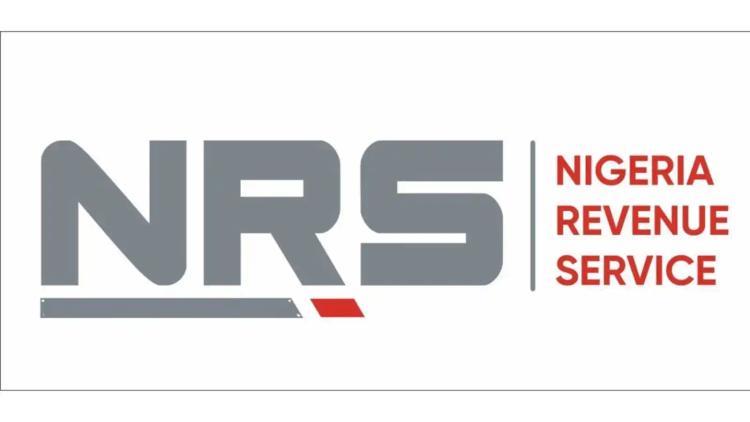
The transition was marked with the unveiling of the agency’s new logo, according to a statement from Special Adviser to the chairman of NRS, Dare Adekanmbi
This is as Nigerian banks will begin deducting a N50 stamp duty on electronic transfers of N10,000 and above from January 1, 2026, following the commencement of provisions of the newly enacted Tax Act.
Speaking at the unveiling of the new logo in Abuja on Wednesday, Zacch Adedeji, Executive Chairman of the NRS, said the new identity represents a significant milestone in the evolution of Nigeria’s revenue administration framework.
Adedeji said the unveiling reflects a renewed commitment to a more unified, efficient, and service-oriented revenue system aligned with Nigeria’s economic transformation agenda and global best practices.
He said the new identity signals continuity of purpose, strengthened institutional capacity, and a forward-looking approach to supporting taxpayers and national development.
According to the statement, the NRS said it remains committed to transparency, partnership, and service excellence.
“The unveiling of this new identity represents not an end, but the beginning of a strengthened relationship between the revenue authority and the Nigerian public—built on trust, clarity, and shared prosperity,” the statement reads.
Adekanmbi said the service came into operation following the signing of its enabling law — the Nigeria Revenue Service Establishment Act 2025 — by President Bola Tinubu in June
Earlier, President Bola Ahmed Tinubu insisted that the implementation of the new tax laws will commence on January 1 as planned, despite criticisms from opposition and pressure groups.
In a statement, Tinubu said the tax laws are not designed to raise taxes, but rather to support a structural reset, drive harmonisation, and protect dignity while strengthening the social contract.
“The new tax laws, including those that took effect on June 26, 2025, and the remaining acts scheduled to commence on January 1, 2026, will continue as planned,” the president said on Tuesday.
“These reforms are a once-in-a-generation opportunity to build a fair, competitive, and robust fiscal foundation for our country.”
Meanwhile, the stamp duty or electronic money transfer levy (EMTL) is a single, one-off charge of N50 on electronic receipt or transfer of money deposited in any commercial money bank or financial institution on any type of account on sums of N10,000 and above.
In an email sent to customers on Tuesday, United Bank for Africa (UBA) said the N50 electronic money transfer levy (EMTL) on transfers will now be referred to as stamp duty across all financial institutions
The stamp duty or electronic money transfer levy (EMTL) is a single, one-off charge of N50 on electronic receipt or transfer of money deposited in any commercial money bank or financial institution on any type of account on sums of N10,000 and above.
“Please note the following: Stamp Duty applies to transactions of N10,000 and above (or the equivalent in other currencies),” the email reads.
“Salary payments and Intra-bank self-transfers are exempt from stamp duty
“The Sender now bears the Stamp Duty charge. Previously, this charge was deducted from the Beneficiary/ Receiver.”
The bank said it remains committed to transparency and to keeping customers informed about changes that may affect their banking transactions.
On September 7, 2024, Nigerian financial technology firms (fintechs) announced plans to introduce a N50 stamp duty fee on transactions of N10,000 and above
According to the fintechs, the move complies with Federal Inland Revenue Service (FIRS) regulations, noting that the fee will be applied to electronic transfers into personal and business accounts.