
How we arrested two high profile terrorist leaders – Ribadu
The Officer of the National Security Adviser on Saturday narrated how Nigerian security agencies collaborated to arrest alleged leaders of a jihadist group accused of several high-profile attacks, including a 2022 brazen jailbreak in the capital Abuja that freed hundreds of inmates.
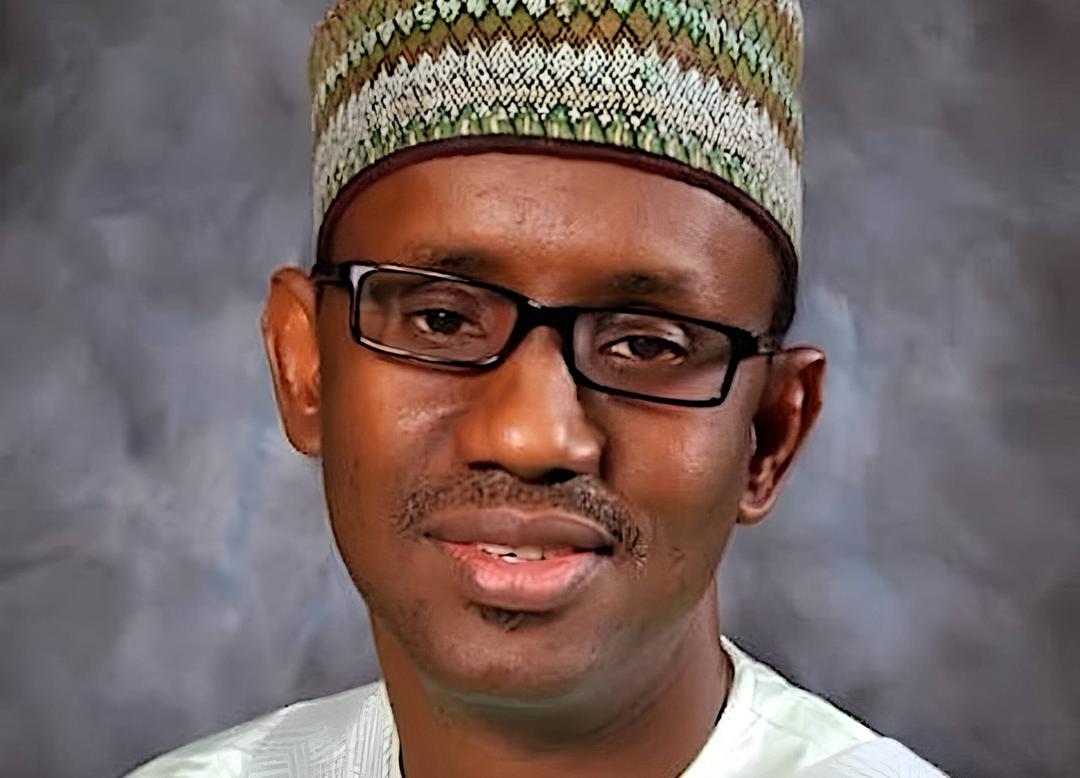
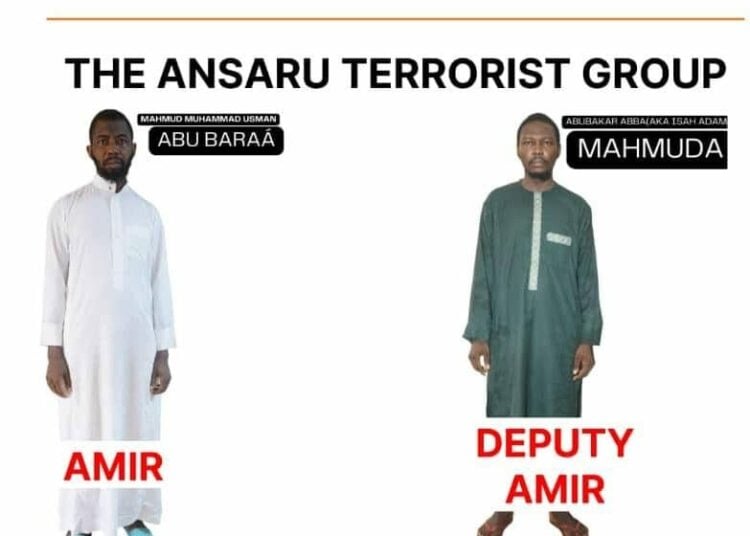
Nigeria’s National Security Adviser, Nuhu Ribadu, told journalists that Mahmud Muhammad Usman and Mahmud al-Nigeri had been captured during a “targeted operation” between May and July.
He said they were the leaders of Jama’atu Ansarul Muslimina fi-Biladis Sudan — commonly known as Ansaru.
President Bola Tinubu’s spokesman Bayo Onanuga described the capture in a social media post as a “significant breakthrough in the war against terrorism.”
The group was also accused of blowing up rail tracks and raiding a train travelling from the capital Abuja to the northwestern city of Kaduna also in 2022. Eight people were killed and dozens more kidnapped and held for months.
They “have been on Nigeria’s most-wanted list for years” and were also on international wanted lists, said Ribadu.
“They jointly spearheaded multiple attacks on civilians, security forces, and critical infrastructure,” he added.
In July 2022, jihadists used guns and explosives to blast their way into a prison on the outskirts of Abuja, freeing dozens of inmates. Ansaru subsequently claimed responsibility.
The arrests mark a breakthrough in the West African nation’s decade-and-half long battle against jihadists in the northeast — and, more recently, against criminal gangs behind kidnappings for ransom in central and northwestern regions.
Ribadu said the two had been involved in several high-profile kidnappings in the regions.
Ribadu said the capture of the group’s leader and deputy commander, “marks one of the most significant achievements to date in our ongoing effort to rid Nigeria of the threat of terrorism”.
Ansaru broke away from Boko Haram in 2012, setting up its base in Kano. Its members, many of them Western-educated, rejected Boko Haram leader Abubakar Shekau for being too extreme.
But the group has since adopted the same violence it initially denounced in Boko Haram.
According to Ribadu, Usman and al-Nigeri masterminded several high-profile kidnappings and armed robberies, using the proceeds to “finance terrorism over the years”.
In 2012, the group raided a police station in the capital city, killed police officers and freed detainees from prison.
The group was responsible for the 2013 kidnap of a Briton and an Italian in Kebbi state. The duo were killed in a botched rescue operation by British and Nigerian forces.
The group also claimed responsibility for the kidnap of a French engineer in northern Katsina state in 2012. He later escaped.