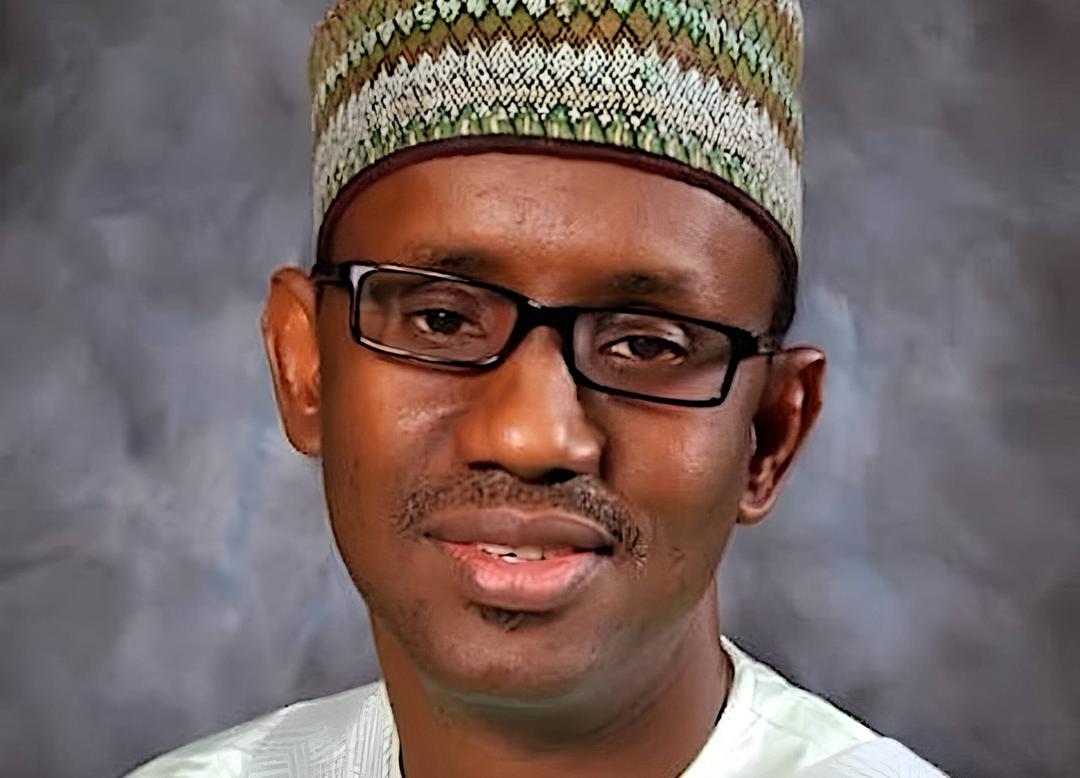

Medical Doctors push for 70 years retirement age

The Medical and Dental Consultants’ Association of Nigeria (MDCAN) has raised a demanded that the federal government raise doctor’s retirement age to 70.
The MDCAN, which represents the country’s senior medical professionals, is gearing up to present this demand in a formal memorandum to the Federal Executive Council (FEC).
The push for a longer career span for medical consultants comes amidst ongoing discussions about improving the working conditions and financial compensation of healthcare professionals across Nigeria.
The association said advocating for the application of the Consolidated Medical Salary Structure (CONMESS) to all medical and dental officers, including lecturers, would standardize salaries across the medical profession.
Professor Muhammad Pate, Nigeria’s Coordinating Minister for Health and Social Welfare, is said to be central to the advocacy efforts, having indicated plans to submit the requested memo to the FEC in the coming weeks.
While the specifics of the memo are still being finalized, MDCAN President, Professor Muhammad Muhammad, confirmed that the draft of the memo has been reviewed and the association’s input has been incorporated. “We have seen the draft of the memo and included our input. However, I am unsure of its current stage with the ministers. They are in the process of submitting it to the Federal Executive Council for consideration,” Professor Muhammad stated.
The medical profession in Nigeria has long struggled with inadequate resources, poor infrastructure, and the chronic underfunding of public health institutions. The result has been a growing exodus of doctors seeking better opportunities abroad.
According to recent reports, over 5,000 Nigerian doctors have migrated in the last five years alone, further exacerbating the country’s healthcare crisis.
In response to these challenges, MDCAN’s demand for a 70-year retirement age is part of a broader strategy to retain medical talent and ensure that experienced professionals continue to serve the Nigerian
Prof. Muhammed further emphasised the importance of fulfilling the government’s promises made during the conciliation process that resolved a recent strike, which involved disagreements over the Vice-Chancellor position at Nnamdi Azikiwe University. The strike, which lasted for six days, was called off after the government intervened to address one of the core issues of the MDCAN’s demands.
The current retirement age for most government employees in Nigeria is 60 years, a policy that has long been a source of discontent for medical professionals, who argue that their work is not only physically demanding but also requires decades of experience. As Nigeria faces a severe shortage of trained healthcare workers—exacerbated by the increasing migration of doctors to other countries—a call to extend the retirement age has gained traction.
Medical consultants, in particular, argue that their expertise, particularly in specialized fields, is invaluable and cannot be easily replaced. By extending the retirement age, they believe the government can retain some of its most experienced and skilled professionals for longer, helping to ease the strain on Nigeria’s already overburdened healthcare system.
Professor Muhammad further elaborated on this point: “The proposal is about recognizing the importance of experience in the medical profession. As senior consultants, our members bring invaluable knowledge and skill that cannot be easily replicated, and extending the retirement age will allow them to continue contributing to the healthcare system.”
Professor Tunji Alausa, Nigeria’s Minister of Education, is working alongside Professor Pate to address the salary discrepancies. The two ministers are expected to submit a joint memo to the Presidential Committee on Salaries to push for a fairer distribution of pay across the medical profession.
“The issue of salary harmonization is a fundamental one. The gap between the pay of medical lecturers and consultants is a longstanding issue that we hope to resolve. Both ministers are committed to ensuring that the necessary steps are taken to bring about this change,” Professor Muhammad remarked.
The MDCAN has made it clear that these changes are non-negotiable. “We urge them to fulfill their commitments from the conciliation process to resolve these issues before our next meeting in January 2025,” Muhammad said.