
Port Harcourt refinery never refined fuel despite multi billion dollars maintenance as Nigeria lost ₦366bn in five months over shutdown
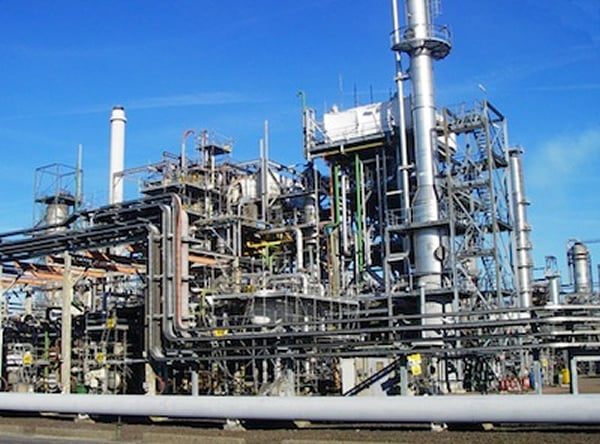
Port Harcourt refinery
Some staff of the Port Harcourt Refinery has faulted the Nigerian National Petroleum Company Limited (NNPCL) on production level of the refinery.
One of them declared that the refinery never produced a single drop of fuel despite the billions of dollars sunk into it for turn around maintenance.
According of the workers, the management of former Group Managing Director and Chief Executive Officer (GMD/CEO) Melee Kyari imported fuel and recycled it as produced in the country.
One of them said: “They were bringing in refined products through Indorama petrochemical, they will go there and wash the fuel, and now load it through NNPC refinery, Port Harcourt, they were not refining here.”
The revelation is coming at a time Nigeria has reportedly lost about ₦366.21 billion ($249.7 million) following the shutdown of the Port Harcourt Refinery for 156 days between May 24 and October 31, 2025.
The refinery, located in Eleme, Rivers State, was rehabilitated with $1.5 billion in 2021 and officially reopened in November 2024.
However, it was later shut down for what the company described as “planned maintenance and sustainability assessment.”
Before the closure, NNPCL had claimed the refinery was producing 1.4 million litres of petrol daily, alongside kerosene, diesel, and LPG.
Some refinery staff, however, dismissed the claims that the facility ever resumed operations, alleging that refined products were being imported and rebranded as locally refined fuel.
Findings revealed that the shutdown caused huge revenue losses, as the refinery could have generated products worth ₦366 billion during the period.
NNPCL’s Group CEO, Bayo Ojulari, admitted the company was losing between ₦300 million and ₦500 million monthly across its refineries, noting that only about 40% of crude sent to Port Harcourt was being converted into refined products.
Kyari has been interrogated by the Economic and Financial Crimes Commission (EFCC) over alleged financial misconduct during his tenure.