



Years of southeast loyalty to PDP wasted, without meaningful projects
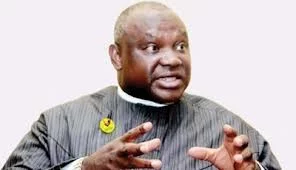
Chief Chekwas Okorie, founder and ex-chairman of the All Progressives Grand Alliance (APGA) has called out the Peoples Democratic Party for what he described as years of neglect of the Southeast despite the region’s overwhelming political support for the party.
Speaking in an interview on Signature TV, Okorie, the convener of the Igbo Agenda Dialogue and national chairman of the United Progressives Party (UPP), lamented that throughout PDP’s 16 years in power, from 1999 to 2015, the Southeast received little to no meaningful federal projects.
He expressed disappointment that despite the Igbo people committing their political strength to the party, the region was left without significant development.
“Do you know for the 16 years PDP was in power, there was not a single federal presence in the whole of the Southeast.
“Sixteen good years, yet Igbo people invested 100% of their political capital in PDP,” he said.
Okorie noted that this neglect not only robbed the region of vital infrastructure but also widened the feelings of marginalization among the Igbo population.
He argued that while other regions benefitted from major projects during the PDP era, the Southeast remained at the receiving end of political betrayal.
The Igbo Agenda Dialogue convener stressed that the experience should serve as a lesson for the Southeast in future political alignments.
According to him, blind loyalty to any political party without demanding accountability or guarantees of development will only perpetuate marginalization.
He urged leaders and stakeholders in the Southeast to rethink their political strategies, warning against repeating past mistakes.
Okorie emphasised the need for a united front, insisting that the region must negotiate from a position of strength rather than relying on empty promises.
His comments add to the ongoing debate about political representation and equity in Nigeria, especially as the Southeast continues to demand greater inclusion in the nation’s governance.
